
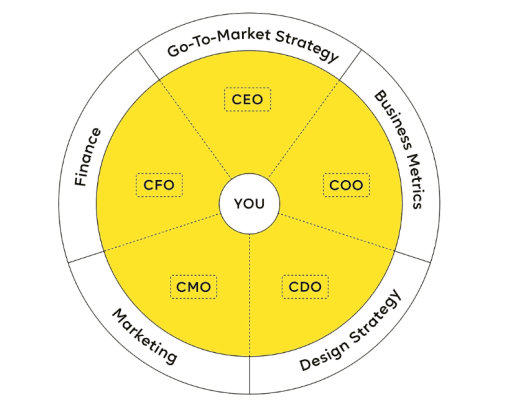
Future London Academy – Mini-MBA for Designers & Creatives: Complete Program Review
Introduction
The design industry has evolved far beyond aesthetics and visual communication. Modern designers are expected to understand business strategy, leadership, innovation, customer experience, branding, and organizational growth. As companies increasingly seek creative professionals who can bridge the gap between design and business, specialized executive education programs have become more valuable than ever.
Future London Academy – Mini-MBA for Designers & Creatives is designed to help creative professionals develop the commercial awareness and strategic thinking needed to thrive in leadership roles. The program combines business fundamentals with practical insights tailored specifically for designers, creative directors, product specialists, UX professionals, brand strategists, and entrepreneurs.
Unlike traditional MBA programs that often focus heavily on finance and corporate management, this course aims to provide a business-focused education that remains highly relevant to creative industries. Participants gain a deeper understanding of how organizations operate, how decisions are made at executive levels, and how design can contribute directly to business success.
This comprehensive guide explores the program structure, learning objectives, benefits, target audience, key modules, career impact, and the practical value it offers to professionals looking to elevate their careers.
Understanding the Need for Business Education in Design
Many talented designers spend years mastering technical skills, software tools, visual storytelling, and creative problem-solving. However, advancement into leadership positions often requires additional competencies beyond design execution.
Organizations increasingly value professionals who can:
- Align creative decisions with business goals
- Communicate effectively with executives and stakeholders
- Understand financial considerations
- Lead multidisciplinary teams
- Drive innovation initiatives
- Build scalable creative processes
- Influence strategic decision-making
Without business knowledge, many designers struggle to transition from production-focused roles into management and leadership positions.
This is where specialized business education becomes particularly valuable. It provides a framework for understanding how companies operate while maintaining a focus on creativity and innovation.
Program Overview
The Mini-MBA is structured to provide a practical understanding of modern business principles through the lens of creative industries.
Participants are introduced to essential management concepts while exploring real-world examples from successful organizations. The curriculum focuses on helping creative professionals understand the broader business environment in which design operates.
Key areas commonly covered include:
- Business strategy
- Innovation management
- Leadership development
- Brand growth
- Marketing fundamentals
- Customer experience
- Organizational culture
- Product development
- Financial literacy
- Communication and influence
The goal is not to transform designers into accountants or corporate executives overnight. Instead, the program helps participants become more effective business-minded creative leaders.
Why Designers Need Business Knowledge
Better Decision-Making
Creative decisions rarely exist in isolation. Every design choice impacts customer experience, brand perception, operational efficiency, and revenue generation.
Understanding business principles enables professionals to make more informed decisions that support both user needs and organizational objectives.
Improved Communication
One of the biggest challenges many designers face is communicating the value of their work to stakeholders.
Business education helps professionals learn how to present ideas using language that resonates with executives, investors, clients, and leadership teams.
Leadership Opportunities
Senior roles increasingly require leadership capabilities.
Creative professionals who understand management, strategy, and organizational behavior are often better positioned for promotions and executive responsibilities.
Greater Career Flexibility
Business knowledge can open doors to various career paths including:
- Design leadership
- Creative direction
- Product management
- Innovation consulting
- Entrepreneurship
- Brand strategy
- Business development
Core Learning Areas
Business Strategy
Strategy forms the foundation of organizational success.
Participants learn how companies:
- Identify opportunities
- Analyze markets
- Build competitive advantages
- Allocate resources effectively
- Execute long-term plans
Designers gain insight into how creative initiatives contribute to broader strategic objectives.
Leadership and Team Management
Creative leadership involves much more than reviewing designs and providing feedback.
Topics often include:
- Building high-performing teams
- Managing conflict
- Motivating employees
- Developing talent
- Leading through change
- Decision-making frameworks
These skills become increasingly important as professionals move into senior positions.
Innovation and Growth
Innovation remains a key driver of competitive advantage.
The curriculum explores:
- Innovation methodologies
- Product innovation
- Service design
- Customer-centric thinking
- Emerging business trends
- Organizational transformation
Participants learn how innovative thinking can generate measurable business outcomes.
Branding and Market Positioning
Brands are among the most valuable assets organizations possess.
Creative professionals benefit from understanding:
- Brand architecture
- Brand differentiation
- Consumer perception
- Market positioning
- Brand growth strategies
- Customer loyalty
This knowledge helps bridge the gap between visual identity and business performance.
Customer Experience
Modern businesses compete heavily on customer experience.
The program often examines:
- User journeys
- Experience design
- Service ecosystems
- Customer satisfaction
- Behavioral psychology
- Experience optimization
These concepts help designers create solutions that deliver meaningful value to users.
Financial Fundamentals
Many creative professionals feel intimidated by financial topics.
The Mini-MBA introduces finance in an accessible manner, covering concepts such as:
- Revenue models
- Profitability
- Business metrics
- Budget planning
- Return on investment
- Cost structures
Understanding these principles enables designers to better evaluate business decisions and justify investments in design initiatives.
Benefits for Creative Professionals
Enhanced Strategic Thinking
Participants learn to think beyond individual projects and consider long-term organizational goals.
This shift in perspective helps professionals contribute more effectively to business discussions and strategic planning.
Increased Professional Confidence
Many designers feel uncomfortable when participating in executive conversations.
Business education provides the confidence needed to engage with senior leadership and contribute valuable insights.
Better Stakeholder Management
Creative work often involves collaboration with:
- Executives
- Product teams
- Marketing departments
- Developers
- Investors
- Clients
Understanding stakeholder priorities improves communication and project outcomes.
Stronger Business Impact
Designers who understand business objectives are often able to create solutions that generate measurable value.
This can include:
- Increased conversions
- Higher customer retention
- Improved operational efficiency
- Greater brand engagement
- Revenue growth
Who Should Enroll?
The program is suitable for a wide range of professionals working within creative industries.
UX Designers
User experience specialists can benefit from learning how design decisions affect business performance and organizational strategy.
Product Designers
Product-focused professionals gain valuable insights into innovation, market positioning, and product growth.
Creative Directors
Leadership-focused content supports creative directors seeking to expand their strategic influence.
Brand Strategists
Business knowledge enhances the ability to align branding initiatives with organizational objectives.
Design Managers
Management-focused modules help strengthen leadership and team development capabilities.
Entrepreneurs
Creative entrepreneurs benefit from learning practical business frameworks that support company growth and sustainability.
Freelancers and Consultants
Independent professionals can use business concepts to improve client relationships, pricing strategies, and service offerings.
Practical Learning Experience
One of the major strengths of executive education programs is their emphasis on real-world application.
Rather than focusing solely on theory, participants are encouraged to explore:
- Business case studies
- Strategic challenges
- Industry examples
- Interactive workshops
- Peer discussions
- Leadership exercises
This practical approach helps ensure that concepts can be applied immediately within professional environments.
Career Impact and Long-Term Value
Professional development programs should ultimately deliver measurable value.
Graduates often report improvements in several areas:
Career Advancement
Business literacy can support progression into senior leadership positions.
Increased Earning Potential
Professionals with both creative and business skills are often highly sought after by employers.
Stronger Professional Network
Participants frequently connect with experienced professionals from diverse industries, creating valuable networking opportunities.
Improved Strategic Influence
Understanding business fundamentals enables creative professionals to contribute more effectively to organizational decision-making.
How This Program Differs from a Traditional MBA
Traditional MBA programs can require significant financial investment and multiple years of study.
A Mini-MBA offers a more focused alternative by concentrating on the most relevant business concepts without requiring the extensive commitment of a full degree program.
Key differences include:
| Mini-MBA | Traditional MBA |
|---|---|
| Shorter duration | Multi-year commitment |
| Focused curriculum | Comprehensive academic study |
| Practical application | Broader theoretical foundation |
| Industry-specific insights | General business education |
| Lower cost | Higher tuition investment |
For many creative professionals, a Mini-MBA provides the ideal balance between learning efficiency and practical value.
Final Thoughts
As the creative industry becomes increasingly integrated with business strategy, professionals who can combine design expertise with commercial understanding are positioned for greater success. Future London Academy – Mini-MBA for Designers & Creatives offers an opportunity to develop the strategic, leadership, and business skills necessary for modern creative careers.
By exploring topics such as leadership, innovation, branding, customer experience, business strategy, and financial literacy, participants can strengthen their ability to influence decisions, drive growth, and contribute meaningful value within their organizations.
For designers seeking to expand beyond execution and move toward leadership, entrepreneurship, or strategic roles, this type of specialized business education can serve as a powerful catalyst for long-term professional development and career growth.



Reviews
There are no reviews yet.