
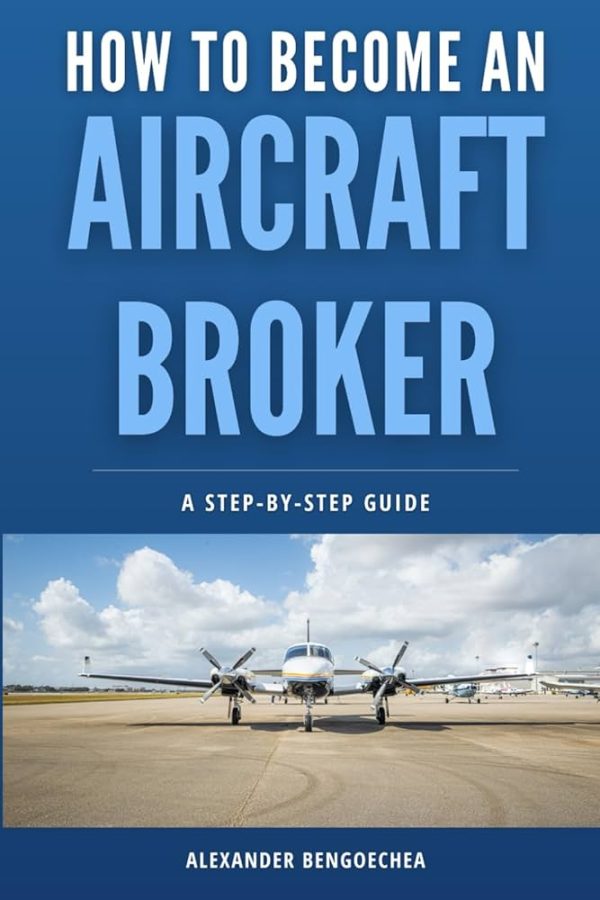
The aviation industry is one of the most dynamic and high-value sectors in the global economy. From private jets and turboprops to commercial airliners and helicopters, aircraft transactions involve millions—sometimes billions—of dollars. Behind every successful deal is a skilled aircraft broker who understands market trends, negotiation strategy, technical specifications, regulatory compliance, and client psychology.
Alexander Bengoechea – Aircraft Broker Course is designed to train aspiring brokers, aviation professionals, and entrepreneurs who want to enter or scale within this lucrative niche. The course bridges the gap between theoretical aviation knowledge and real-world deal execution. It focuses on practical strategies, industry insights, and structured processes that help participants move confidently into aircraft brokerage.
Whether you are starting from scratch or already have exposure to aviation sales, this program aims to provide clarity, structure, and a repeatable system for closing high-value aircraft transactions.
Why Aircraft Brokerage Is a High-Income Opportunity
The Economics of Aircraft Sales
Aircraft are high-ticket assets. Even smaller private jets can range from $2 million to $15 million, while larger jets exceed $50 million. A broker typically earns a commission ranging from 1% to 5% of the transaction value.
For example:
A $10 million aircraft at 3% commission equals $300,000.
A $25 million aircraft at 2% commission equals $500,000.
The earning potential alone makes aircraft brokerage extremely attractive. However, it also requires precision, credibility, and strong negotiation skills.
Global Demand for Private Aviation
Private aviation has grown due to:
High-net-worth individuals seeking convenience
Corporations prioritizing time efficiency
Increasing demand for private charter services
Expanding international business networks
As markets expand in North America, Europe, the Middle East, and Asia, trained brokers are in high demand.
What Is Alexander Bengoechea – Aircraft Broker Course?
Alexander Bengoechea – Aircraft Broker Course is a structured training program focused on the business, strategy, and execution of aircraft brokerage deals. Instead of generic aviation theory, it dives deep into how transactions actually happen.
The course emphasizes:
Deal sourcing
Aircraft valuation
Market positioning
Negotiation techniques
Legal and regulatory considerations
Building long-term client relationships
It is built for individuals who want practical results rather than academic knowledge alone.
Who Is This Course For?
1. Aspiring Aircraft Brokers
Individuals who want to break into the aviation brokerage industry without spending years figuring it out alone.
2. Aviation Sales Professionals
Those already working in aviation who want to transition into higher-ticket transactions.
3. Entrepreneurs Seeking High-Ticket Markets
Business-minded individuals looking for scalable, commission-based opportunities.
4. Aviation Enthusiasts
People passionate about aircraft who want to turn their interest into a profitable career.
Core Modules Covered in the Course
Module 1: Fundamentals of Aircraft Brokerage
This section introduces:
How aircraft brokerage works
Broker responsibilities
Commission structures
Market dynamics
Ethics and reputation management
Students gain clarity on how brokers act as intermediaries between buyers and sellers while protecting both parties’ interests.
Module 2: Aircraft Types and Market Segments
Understanding aircraft categories is critical:
Light jets
Midsize jets
Heavy jets
Turboprops
Helicopters
Commercial aircraft
Participants learn how to identify target markets and match aircraft types with client needs.
Module 3: Valuation and Market Research
Aircraft pricing is influenced by:
Total flight hours
Maintenance history
Avionics upgrades
Engine programs
Market demand
Alexander Bengoechea – Aircraft Broker Course teaches how to assess aircraft value accurately, preventing costly pricing errors that can derail deals.
Module 4: Sourcing Buyers and Sellers
Successful brokers rely on:
Aviation networks
Direct outreach
Industry events
Referrals
Online platforms
This module focuses on building a pipeline of qualified leads instead of chasing unverified prospects.
Module 5: Negotiation Strategy
Negotiation is one of the most critical skills in brokerage. Students learn:
How to structure offers
Handling counteroffers
Managing price objections
Protecting commission agreements
Creating win-win outcomes
Effective negotiation ensures deals move forward without damaging professional relationships.
Module 6: Legal and Compliance Considerations
Aircraft transactions involve:
Purchase agreements
Escrow services
Regulatory approvals
Registration processes
International compliance requirements
The course explains how to work alongside aviation attorneys and compliance experts while safeguarding transactions.
Module 7: Marketing Aircraft Professionally
Presentation matters. Aircraft marketing includes:
Professional photography
Detailed spec sheets
Maintenance logs
Market positioning strategies
Participants learn how to present aircraft listings in ways that attract serious buyers.
Module 8: Closing the Deal
Closing involves:
Pre-purchase inspections
Final negotiations
Escrow release
Delivery coordination
Alexander Bengoechea – Aircraft Broker Course provides a structured roadmap for guiding transactions from offer to delivery without unnecessary delays.
Real-World Application and Case Studies
One of the strengths of the program is its real-world orientation. Rather than theory alone, it explores deal scenarios such as:
Distressed aircraft sales
International cross-border transactions
Corporate fleet acquisitions
Off-market aircraft sourcing
These examples help students understand how challenges are handled in practical settings.
Key Skills Developed
By completing Alexander Bengoechea – Aircraft Broker Course, participants develop:
High-ticket negotiation confidence
Industry credibility
Market research proficiency
Relationship management skills
Transaction coordination expertise
Risk awareness and mitigation strategies
These skills are transferable across other luxury and high-value markets as well.
Competitive Advantage of Structured Training
Many brokers learn through trial and error. This approach can cost time and money. Structured learning accelerates understanding and minimizes mistakes.
Benefits include:
Clear roadmap
Reduced learning curve
Professional positioning
Access to insider insights
Increased deal confidence
Instead of guessing how aircraft deals work, participants follow proven frameworks.
Building Long-Term Success in Aircraft Brokerage
Sustainable success depends on:
Reputation
Trust is everything in high-value transactions.
Relationships
Repeat clients and referrals drive consistent revenue.
Market Awareness
Understanding economic trends and aircraft supply-demand shifts.
Continuous Learning
Staying updated with aviation regulations and emerging aircraft models.
The program encourages long-term thinking rather than quick, short-term commissions.
Potential Career Outcomes
After completing Alexander Bengoechea – Aircraft Broker Course, individuals may pursue:
Independent aircraft brokerage
Partnerships with aviation firms
Corporate fleet acquisition roles
Aircraft acquisition consultancy
Charter brokerage expansion
The aviation industry offers multiple paths beyond single aircraft transactions.
Why High-Ticket Industries Require Specialized Training
Aircraft brokerage differs from traditional sales because:
Transactions are complex
Documentation is extensive
Clients are high-net-worth or corporate decision-makers
Negotiations are sensitive
Reputation spreads quickly within tight networks
Specialized education reduces costly errors and enhances professionalism.
Long-Term Industry Outlook
The private aviation market continues to evolve due to:
Increased wealth concentration
Business globalization
Technological advancements in aircraft efficiency
Growing charter services
As demand expands, qualified brokers remain essential in connecting buyers and sellers.
Final Thoughts
Alexander Bengoechea – Aircraft Broker Course offers structured, strategic insight into one of the most profitable niches within aviation. Instead of relying on fragmented information, participants receive a comprehensive overview of sourcing, valuing, marketing, negotiating, and closing aircraft transactions.
For individuals seeking a high-ticket, relationship-driven career path, aircraft brokerage presents exceptional opportunity. With the right training, discipline, and industry understanding, it can become both financially rewarding and professionally fulfilling.
The aviation market is competitive, but preparation creates advantage. Through focused education and practical frameworks, aspiring brokers can position themselves as trusted intermediaries in complex, multi-million-dollar transactions.



Reviews
There are no reviews yet.