
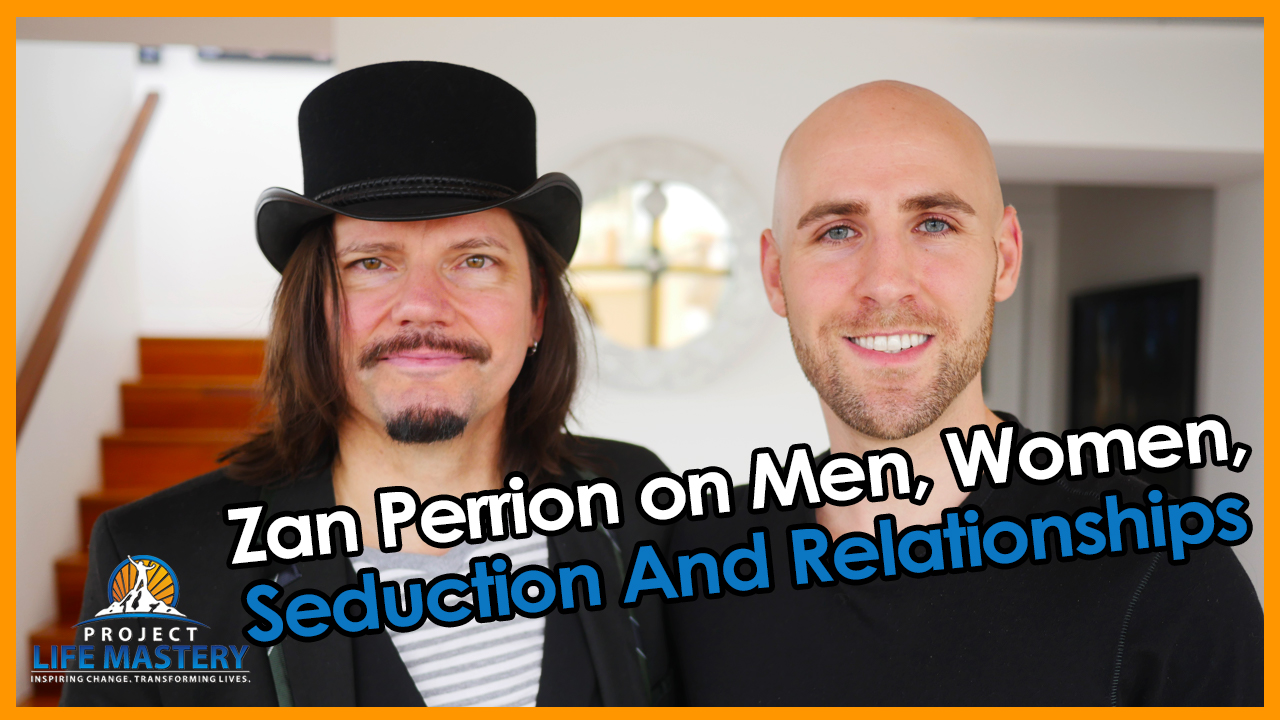
Zan Perrion – The Way of the Natural
Introduction
In a world where most relationship advice focuses on techniques, scripted lines, and calculated strategies, a different philosophy emerged that challenged conventional thinking. Zan Perrion – The Way of the Natural presents a mindset centered on authenticity, self-development, confidence, and genuine human connection rather than manipulation or rehearsed tactics.
The teachings emphasize becoming a naturally attractive individual by cultivating confidence, developing social awareness, and learning to appreciate human interaction on a deeper level. Instead of relying on routines or memorized approaches, the philosophy encourages individuals to embrace spontaneity, personal growth, and emotional intelligence.
This framework has gained attention among those seeking a more organic approach to communication, confidence building, and social interactions. The principles discussed extend beyond dating and relationships, influencing personal development, leadership, networking, and overall life satisfaction.
The Philosophy Behind Natural Confidence
One of the central ideas is that attraction and connection are often byproducts of personal growth rather than direct pursuits. Many individuals spend years searching for external validation, believing confidence comes from success, approval, or achievement.
The philosophy challenges this belief by suggesting that confidence originates internally.
When individuals become comfortable with themselves, embrace their strengths and weaknesses, and develop genuine self-respect, they naturally project qualities that others find attractive.
This perspective shifts attention away from outcomes and redirects focus toward personal evolution.
Core Characteristics of Natural Confidence
- Self-assurance without arrogance
- Emotional stability
- Authentic communication
- Strong personal identity
- Positive social presence
- Genuine curiosity about others
- Ability to remain relaxed under pressure
- Respect for personal boundaries
These qualities contribute to stronger interactions in both personal and professional environments.
Understanding Authentic Attraction
Many people approach social interactions with an agenda. They become focused on achieving a specific outcome rather than enjoying the experience itself.
The teachings encourage individuals to appreciate conversations for their own sake.
Authentic attraction often develops when people feel seen, heard, and understood. This creates an environment where meaningful connections can form naturally.
Rather than attempting to impress others, the emphasis is placed on expressing one’s true personality and engaging sincerely.
Why Authenticity Matters
Authenticity builds trust.
People instinctively recognize when someone is genuine versus when they are performing a role. Genuine interactions create comfort and openness, making conversations more enjoyable and memorable.
Benefits include:
- Stronger first impressions
- Increased trust
- Better communication
- Deeper relationships
- Reduced social anxiety
- Enhanced personal satisfaction
Authenticity removes the pressure of trying to be someone else and allows individuals to focus on meaningful engagement.
The Importance of Presence
Presence is one of the most powerful yet overlooked social skills.
Being present means giving full attention to the moment rather than worrying about future outcomes or dwelling on past experiences.
When individuals become fully engaged in conversations, they notice subtle details, emotions, and opportunities that would otherwise be missed.
Developing Presence
Presence can be cultivated through:
Active Listening
Listening without planning the next response creates stronger communication and demonstrates respect.
Observation
Paying attention to body language, tone of voice, and emotional cues improves understanding.
Mindfulness
Learning to remain focused on the current interaction helps eliminate unnecessary anxiety.
Emotional Awareness
Recognizing personal emotions and managing them effectively enhances social performance.
Presence allows interactions to flow naturally rather than feeling forced or mechanical.
Building a Strong Personal Identity
A recurring theme within the philosophy is the importance of developing a rich and fulfilling life.
Individuals who possess passions, goals, hobbies, and purpose tend to be more engaging because they bring unique experiences and perspectives into conversations.
A strong personal identity is built through continuous growth.
Areas of Personal Development
Physical Development
Maintaining health and fitness improves energy, confidence, and overall well-being.
Intellectual Growth
Reading, learning new skills, and expanding knowledge create depth and versatility.
Social Development
Building relationships and improving communication skills strengthen social confidence.
Emotional Growth
Understanding emotions and developing resilience contribute to maturity.
Professional Excellence
Pursuing meaningful work creates fulfillment and purpose.
The more complete an individual becomes, the more naturally attractive their presence often appears.
Communication Without Scripts
One of the most distinctive aspects of this approach is its rejection of scripted communication.
Scripts may provide temporary confidence, but they often limit genuine expression.
Natural communication emerges from curiosity, observation, and emotional connection.
Principles of Effective Conversation
Ask Meaningful Questions
Thoughtful questions encourage deeper discussions and demonstrate genuine interest.
Share Personal Experiences
Stories create emotional engagement and make conversations memorable.
Express Opinions Honestly
Authentic viewpoints contribute to meaningful exchanges.
Maintain Playfulness
Humor and lightheartedness create positive energy.
Stay Flexible
Allow conversations to evolve naturally instead of forcing predetermined topics.
These principles help create interactions that feel effortless and enjoyable.
Developing Social Intelligence
Social intelligence is the ability to understand people, navigate interactions, and respond appropriately to various situations.
It involves more than speaking skills.
It requires empathy, observation, and emotional awareness.
Components of Social Intelligence
Empathy
Understanding another person’s perspective strengthens relationships.
Adaptability
Adjusting communication styles based on context improves effectiveness.
Emotional Regulation
Managing emotions prevents reactive behavior.
Situational Awareness
Recognizing social dynamics helps guide interactions smoothly.
Relationship Building
Creating genuine connections contributes to long-term success.
Strong social intelligence benefits personal relationships, networking opportunities, leadership roles, and business interactions.
Overcoming Fear and Social Anxiety
Fear often prevents individuals from expressing themselves fully.
Many social challenges originate from concerns about judgment, rejection, or failure.
The philosophy encourages embracing discomfort as a necessary part of growth.
Practical Strategies
Accept Imperfection
Nobody performs perfectly in every situation.
Focus on Experience
View interactions as opportunities to learn rather than tests to pass.
Reframe Rejection
Not every connection will develop, and that is perfectly normal.
Take Consistent Action
Confidence grows through repeated experience.
Celebrate Progress
Recognizing small improvements creates momentum.
Over time, exposure and experience reduce anxiety while increasing confidence.
The Power of Lifestyle Design
Personal fulfillment is closely connected to lifestyle choices.
Individuals who actively design meaningful lives often radiate enthusiasm and positivity.
Lifestyle design involves intentionally creating experiences that align with personal values.
Key Elements
- Travel and exploration
- Creative pursuits
- Health and fitness
- Professional growth
- Meaningful relationships
- Lifelong learning
- Adventure and curiosity
A fulfilling lifestyle naturally enhances confidence and social appeal.
Emotional Intelligence and Human Connection
Emotional intelligence plays a critical role in building lasting relationships.
Understanding emotions allows individuals to communicate effectively, resolve conflicts, and create stronger bonds.
Essential Emotional Skills
Self-Awareness
Recognizing personal feelings and motivations.
Self-Control
Responding thoughtfully rather than impulsively.
Empathy
Connecting with the experiences of others.
Relationship Management
Maintaining healthy and respectful interactions.
Conflict Resolution
Addressing disagreements constructively.
These abilities improve every aspect of life, from friendships and family relationships to business partnerships.
Creating Meaningful Relationships
Lasting relationships are built on trust, mutual respect, and shared experiences.
Rather than focusing solely on attraction, the philosophy emphasizes creating genuine human connections.
Foundations of Strong Relationships
- Honest communication
- Emotional support
- Shared values
- Mutual respect
- Consistency
- Trustworthiness
- Appreciation
- Personal growth
Healthy relationships enrich life and contribute significantly to happiness and fulfillment.
Personal Growth as a Lifelong Journey
One of the most valuable lessons is the idea that self-improvement never truly ends.
Growth is not a destination but a continuous process.
Individuals who commit to learning, evolving, and expanding their horizons often experience greater confidence, resilience, and satisfaction throughout life.
Long-Term Benefits
- Increased confidence
- Better communication skills
- Stronger relationships
- Greater emotional resilience
- Improved leadership abilities
- Enhanced social intelligence
- Greater life satisfaction
- Stronger sense of purpose
Personal growth becomes the foundation upon which all other successes are built.
Key Takeaways
The teachings focus on becoming the best version of oneself rather than pursuing external validation. Through authenticity, confidence, presence, emotional intelligence, and continuous growth, individuals can create more meaningful experiences and stronger relationships.
Success in social interactions is not about memorizing techniques or following rigid systems. Instead, it comes from genuine self-expression, curiosity, and appreciation for human connection.
By cultivating a fulfilling lifestyle, developing emotional awareness, and embracing authenticity, individuals can improve not only their relationships but every area of life.
Final Thoughts
For those interested in confidence development, social intelligence, personal growth, and authentic communication, this philosophy offers a refreshing alternative to traditional approaches. The focus remains on becoming a naturally confident, emotionally intelligent, and genuinely engaging person capable of creating meaningful connections throughout life.
Whether applied to relationships, networking, business, or everyday interactions, these principles encourage a more fulfilling and authentic way of living.





Reviews
There are no reviews yet.