
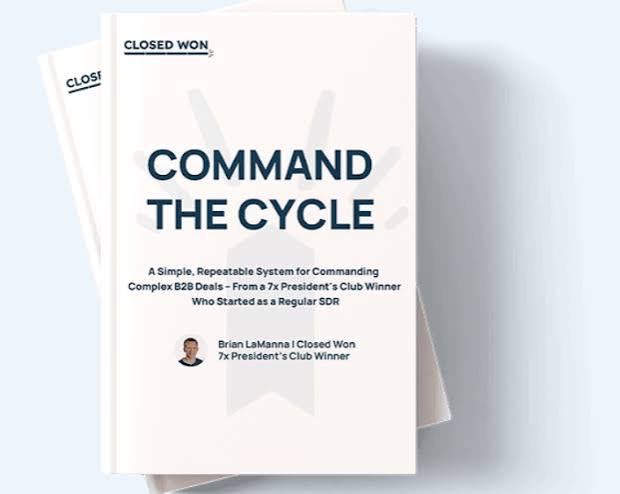
Brian LaManna – Command The Cycle
Introduction
Success is rarely the result of a single breakthrough moment. Instead, it is built through consistent actions, strategic thinking, disciplined execution, and the ability to adapt to changing circumstances. Brian LaManna – Command The Cycle presents a powerful approach to understanding and mastering the recurring patterns that influence personal growth, business performance, leadership effectiveness, and long-term achievement.
Every individual experiences cycles. There are periods of growth, stagnation, challenge, recovery, innovation, and transformation. The difference between those who thrive and those who struggle often comes down to one critical factor: their ability to recognize these cycles and leverage them effectively.
This comprehensive system provides the tools, mindset, and strategic framework necessary to identify opportunities, overcome obstacles, maintain momentum, and achieve sustainable success. Rather than reacting to circumstances, individuals learn how to take control of their environment, optimize performance, and create predictable pathways toward their goals.
Understanding the Power of Cycles
Life and business operate in recurring patterns. Economic markets move through cycles. Organizations experience growth and restructuring phases. Individuals encounter periods of motivation, learning, execution, and reflection.
Recognizing these patterns creates a significant advantage. Instead of being surprised by setbacks or overwhelmed by transitions, successful leaders anticipate changes and prepare accordingly.
The concept behind Brian LaManna – Command The Cycle is rooted in the belief that every cycle contains opportunities for advancement. Challenges become learning experiences. Setbacks become preparation for future growth. Success becomes a foundation for even greater achievements.
When individuals understand how cycles function, they gain clarity, confidence, and control over their personal and professional journeys.
The Foundation of Strategic Leadership
Leadership is not merely about directing others. True leadership involves understanding systems, managing resources, making informed decisions, and guiding teams through periods of change.
One of the central themes emphasized throughout this framework is strategic leadership. Effective leaders understand that success requires balancing short-term objectives with long-term vision.
Key leadership principles include:
Vision and Direction
Leaders must establish a clear destination. Without a compelling vision, teams become reactive rather than proactive.
A strong vision provides:
- Purpose
- Motivation
- Alignment
- Focus
- Accountability
Adaptability
Every cycle introduces new variables. Market conditions evolve. Technology advances. Consumer expectations change.
Adaptable leaders remain flexible while maintaining commitment to their core objectives.
Consistency
Sustainable growth is driven by consistent action rather than occasional bursts of effort. Small daily improvements often produce extraordinary long-term results.
Building Momentum Through Discipline
Momentum is one of the most valuable assets in any success journey. Once momentum is established, progress accelerates and opportunities become easier to identify and pursue.
However, momentum does not appear by accident.
It is built through:
Daily Habits
Successful individuals develop habits that reinforce productivity and performance.
Examples include:
- Goal setting
- Strategic planning
- Time management
- Continuous learning
- Physical wellness
- Mental resilience
Focused Execution
Many people fail not because they lack ideas, but because they lack execution.
Focused execution involves:
- Prioritizing critical tasks
- Eliminating distractions
- Tracking progress
- Maintaining accountability
Measuring Results
What gets measured gets improved.
Regular evaluation helps individuals identify strengths, weaknesses, and opportunities for optimization.
The Role of Mindset in Success
Mindset influences every decision, action, and outcome.
People who achieve extraordinary results often share similar mental characteristics:
Growth-Oriented Thinking
They view challenges as opportunities to learn rather than obstacles to avoid.
This mindset encourages:
- Innovation
- Creativity
- Problem-solving
- Persistence
Resilience
Setbacks are inevitable.
Resilient individuals recover quickly because they understand that temporary difficulties are part of the larger cycle of growth.
Confidence Through Preparation
Confidence is not built through wishful thinking.
It develops through:
- Knowledge
- Practice
- Experience
- Consistent execution
A prepared individual can navigate uncertainty with greater certainty and effectiveness.
Maximizing Productivity and Performance
Productivity is not about working longer hours. It is about producing meaningful results with greater efficiency and effectiveness.
A strategic productivity system focuses on:
Clarity
Understanding exactly what needs to be accomplished.
Prioritization
Identifying high-impact activities that generate the greatest results.
Systems
Creating repeatable processes that reduce complexity and improve consistency.
Optimization
Continuously refining workflows to eliminate waste and increase performance.
The principles found within Brian LaManna – Command The Cycle encourage individuals to build sustainable productivity systems rather than relying on temporary motivation.
Overcoming Challenges and Adversity
Every cycle contains periods of difficulty.
These moments often determine future success more than periods of comfort and stability.
Challenges provide opportunities to:
- Strengthen resilience
- Develop new skills
- Improve decision-making
- Increase adaptability
- Build confidence
Instead of viewing adversity as failure, successful individuals recognize it as an essential component of long-term achievement.
The ability to navigate challenges effectively separates exceptional performers from average performers.
Decision-Making for Long-Term Success
High-level achievement requires high-quality decision-making.
Every decision influences future outcomes.
Effective decision-makers focus on:
Information Gathering
Collecting relevant data before taking action.
Strategic Analysis
Evaluating potential risks and rewards.
Long-Term Thinking
Considering future consequences rather than immediate gratification.
Continuous Learning
Using feedback to improve future decisions.
Strong decision-making creates stability, confidence, and sustainable growth.
Personal Development as a Continuous Process
Personal development is not a destination.
It is an ongoing journey of improvement and refinement.
Individuals committed to growth continuously invest in:
Knowledge
Learning from books, mentors, courses, and real-world experiences.
Skills
Developing competencies that increase effectiveness and value.
Character
Building integrity, accountability, and self-discipline.
Relationships
Creating meaningful connections that support mutual growth and success.
Long-term achievement becomes possible when personal development remains a lifelong commitment.
Creating Sustainable Success
Many people achieve temporary success.
Far fewer achieve sustainable success.
The difference lies in the ability to create systems that consistently generate positive outcomes over time.
Sustainable success requires:
Strategic Planning
Creating a roadmap for future growth.
Resource Management
Effectively utilizing time, energy, finances, and talent.
Continuous Improvement
Remaining committed to refinement and optimization.
Adaptation
Responding effectively to changing circumstances.
These principles help create stability while maintaining flexibility for future opportunities.
Leadership in a Changing World
Modern leadership requires a new level of awareness and adaptability.
Rapid technological advancement, shifting market dynamics, and increasing competition create both challenges and opportunities.
Successful leaders focus on:
Innovation
Seeking better solutions and improved processes.
Communication
Building trust through transparency and clarity.
Collaboration
Leveraging diverse perspectives to achieve stronger outcomes.
Accountability
Taking responsibility for decisions and results.
Organizations led by effective leaders are better equipped to navigate uncertainty and achieve sustainable growth.
Turning Vision Into Reality
A vision without action remains only an idea.
The transformation from concept to achievement requires:
- Defining clear objectives
- Creating actionable plans
- Maintaining consistent execution
- Measuring progress
- Adjusting strategies when necessary
- Remaining committed to long-term goals
This disciplined approach enables individuals and organizations to convert ambition into measurable results.
Why Mastering the Cycle Matters
Understanding cycles creates a powerful advantage in every area of life.
Those who master recurring patterns gain the ability to:
- Anticipate change
- Maintain momentum
- Overcome adversity
- Improve performance
- Strengthen leadership
- Achieve sustainable success
Rather than reacting to circumstances, they proactively shape their future.
This shift from reaction to intentional action represents one of the most valuable transformations an individual can experience.
Conclusion
Brian LaManna – Command The Cycle offers a comprehensive framework for achieving sustainable growth, maximizing performance, strengthening leadership, and creating long-term success. By understanding recurring patterns, building disciplined habits, developing resilience, and maintaining strategic focus, individuals can take greater control of their outcomes and consistently move toward their highest potential.
Success is not determined by isolated moments of effort. It is created through the ability to recognize, understand, and master the cycles that shape progress. Those who learn to command these cycles position themselves for continuous improvement, meaningful achievement, and lasting impact in every aspect of life and business.
The future belongs to those who understand the cycle, embrace the process, and take deliberate action toward excellence every single day.




Reviews
There are no reviews yet.