
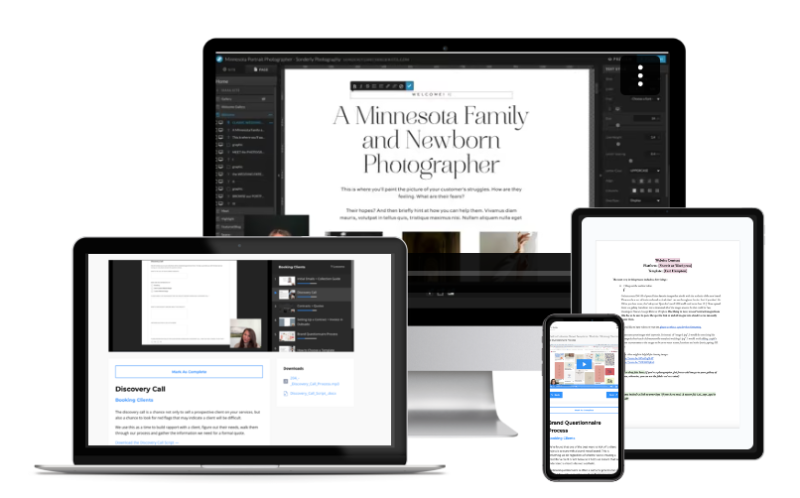
Davey and Krista – How to Become a Website Designer: The Complete Guide to Building a Successful Web Design Career
The digital world continues to expand at an incredible pace, creating endless opportunities for creative professionals who want to build profitable online businesses. One of the most in-demand skills today is website design, a profession that combines creativity, strategy, branding, and technology. Davey and Krista – How to Become a Website Designer provides a comprehensive roadmap for aspiring designers who want to enter this growing industry and build a sustainable career.
Whether you are a complete beginner, a freelancer looking to expand your services, or an entrepreneur seeking a flexible online business model, learning website design can open doors to exciting opportunities. From creating beautiful brand experiences to helping businesses grow online, website designers play a crucial role in the modern digital economy.
This guide explores everything you need to know about becoming a successful website designer, including essential skills, tools, career paths, business strategies, and industry best practices.
What Does a Website Designer Do?
A website designer is responsible for creating visually appealing, user-friendly, and strategically designed websites that help businesses achieve their goals. Unlike developers who primarily focus on coding, designers focus on the visual and user experience aspects of a website.
Key responsibilities include:
- Designing website layouts
- Creating brand-consistent visuals
- Improving user experience (UX)
- Organizing website content
- Developing responsive designs
- Enhancing website conversions
- Creating wireframes and mockups
- Collaborating with clients and developers
Modern website designers often work with platforms like WordPress, Showit, Squarespace, Webflow, and Shopify to build websites without extensive coding knowledge.
Why Website Design Is One of the Best Digital Careers
Website design offers numerous advantages compared to traditional career paths.
High Demand
Every business needs an online presence. As more companies move online, the demand for skilled website designers continues to increase.
Remote Work Opportunities
Website designers can work from anywhere in the world. Many professionals operate entirely remotely while serving clients globally.
Creative Freedom
The profession combines artistic creativity with business strategy, making it ideal for people who enjoy solving problems visually.
Scalability
A website design business can grow beyond one-on-one client work through:
- Templates
- Digital products
- Courses
- Memberships
- Consulting services
- Design resources
Strong Income Potential
Experienced designers can charge premium rates for custom websites and ongoing maintenance services.
Essential Skills Every Website Designer Must Learn
Success in website design requires both technical and creative abilities.
Design Fundamentals
Understanding design principles is critical.
Important concepts include:
- Color theory
- Typography
- Layout design
- Visual hierarchy
- Spacing
- Balance
- Contrast
- Brand consistency
Strong design foundations help create professional websites that stand out.
User Experience (UX)
User experience determines how visitors interact with a website.
Important UX skills include:
- Navigation design
- Mobile responsiveness
- Accessibility
- Conversion optimization
- User journey mapping
A great website not only looks beautiful but also delivers an excellent user experience.
Branding Knowledge
Website designers frequently work with brands.
Learning branding concepts such as:
- Brand identity
- Brand messaging
- Logo systems
- Color palettes
- Typography systems
can significantly increase the value of your services.
Website Platforms
Modern designers should become proficient with popular website-building platforms such as:
- WordPress
- Showit
- Squarespace
- Shopify
- Webflow
- Wix
These platforms allow designers to create sophisticated websites efficiently.
Tools Every Website Designer Should Master
Professional designers rely on various tools to streamline their workflow.
Design Software
Popular options include:
- Figma
- Adobe XD
- Photoshop
- Illustrator
- Canva
Figma has become one of the most widely used design tools because of its collaborative capabilities.
Website Building Platforms
Learning website platforms is essential for implementation.
Popular platforms include:
- Showit
- WordPress
- Webflow
- Shopify
- Squarespace
Each platform serves different business needs and client types.
Project Management Tools
To manage clients effectively, many designers use:
- Trello
- ClickUp
- Asana
- Notion
- Monday.com
These tools help maintain organized workflows and improve client communication.
How Beginners Can Start Learning Website Design
Many successful designers started with no prior experience.
A practical learning roadmap includes:
Step 1: Learn Design Basics
Focus on:
- Typography
- Color theory
- Layout principles
- User experience
Understanding these fundamentals creates a strong foundation.
Step 2: Study Great Websites
Analyze high-performing websites to understand:
- Navigation structures
- Content placement
- Visual hierarchy
- Calls-to-action
This helps develop design intuition.
Step 3: Practice Daily
Create sample projects regularly.
Examples include:
- Portfolio websites
- Business websites
- Personal brands
- E-commerce stores
- Service-based websites
Practice accelerates skill development faster than theory alone.
Step 4: Build Mock Projects
Create fictional projects to showcase your abilities.
Potential examples:
- Fitness coach website
- Photography portfolio
- Restaurant website
- Marketing agency site
- Online store
These projects can later become part of your portfolio.
Building a Portfolio That Attracts Clients
Your portfolio is one of the most important assets in your website design business.
A strong portfolio should include:
Project Overviews
Explain:
- Client goals
- Design challenges
- Strategic decisions
- Final outcomes
Clients want to understand your thinking process.
Before-and-After Examples
Transformation projects often demonstrate value more effectively than static screenshots.
Professional Presentation
Use:
- High-quality images
- Clear layouts
- Consistent branding
- Easy navigation
Your portfolio should reflect your design capabilities.
Finding Your First Website Design Clients
One of the biggest challenges for new designers is acquiring clients.
Fortunately, there are many effective strategies.
Networking
Reach out to:
- Small business owners
- Entrepreneurs
- Coaches
- Creators
- Local organizations
Many businesses need website improvements.
Social Media Marketing
Platforms such as:
can help attract potential clients.
Sharing valuable design content helps establish authority.
Referrals
Satisfied clients often become your best source of future business.
Provide exceptional service and encourage referrals whenever possible.
Freelance Platforms
Beginners may gain initial experience through:
- Upwork
- Fiverr
- Freelancer
These platforms can help build confidence and client relationships.
Pricing Your Website Design Services
Pricing is often a challenge for new designers.
Avoid charging solely based on hours worked.
Instead, focus on value-based pricing.
Factors that influence pricing include:
- Project complexity
- Number of pages
- Strategy requirements
- Branding needs
- Custom functionality
- Experience level
As skills improve, designers can gradually increase rates and position themselves as premium service providers.
Common Mistakes New Website Designers Make
Understanding common mistakes can accelerate success.
Underpricing Services
Many beginners charge too little and struggle to grow their businesses.
Skipping Contracts
Always use professional contracts to protect both parties.
Ignoring Strategy
Beautiful designs alone are not enough.
Websites must support business goals and generate results.
Neglecting Mobile Optimization
A significant percentage of traffic comes from mobile devices.
Mobile responsiveness is essential.
Failing to Build Systems
Efficient processes improve profitability and client satisfaction.
Creating a Sustainable Website Design Business
Long-term success requires more than design skills.
Business systems are equally important.
Develop Clear Processes
Create repeatable workflows for:
- Discovery calls
- Onboarding
- Design
- Revisions
- Launch
- Offboarding
This improves efficiency and professionalism.
Build a Strong Brand
Your personal brand influences client perception.
Invest in:
- Professional branding
- Consistent messaging
- Strong positioning
- Content marketing
Continue Learning
The web design industry evolves constantly.
Stay updated with:
- Design trends
- User experience practices
- SEO improvements
- New software tools
- Platform updates
Continuous education ensures long-term relevance.
Expanding Beyond Client Work
Many successful website designers eventually diversify their income streams.
Popular opportunities include:
Website Templates
Designers can sell templates repeatedly without additional client work.
Online Courses
Teaching website design creates scalable income.
Digital Products
Examples include:
- Design resources
- Brand kits
- Website audits
- Business templates
Consulting
Experienced professionals can offer strategic consulting services for businesses seeking online growth.
The Future of Website Design
The future of website design remains incredibly promising.
Emerging trends include:
- AI-assisted design
- Personalization
- Accessibility improvements
- Interactive experiences
- Mobile-first development
- Conversion-focused design
Businesses will continue needing skilled professionals who can blend creativity with strategy to create impactful online experiences.
Designers who focus on user experience, branding, and business results will remain highly valuable regardless of technological changes.
Final Thoughts
Davey and Krista – How to Become a Website Designer serves as a valuable resource for aspiring designers looking to transform creativity into a thriving online business. Website design is more than creating attractive layouts—it is about helping businesses communicate effectively, build trust, and achieve measurable results online.
By mastering design fundamentals, learning industry-leading tools, building a strong portfolio, and developing business skills, anyone can create a successful career in website design. With dedication, continuous learning, and strategic implementation, the opportunities within this field are virtually limitless.
Whether your goal is freelancing, agency ownership, remote work, or creating digital products, website design offers a flexible and rewarding path in today’s digital economy.



Reviews
There are no reviews yet.