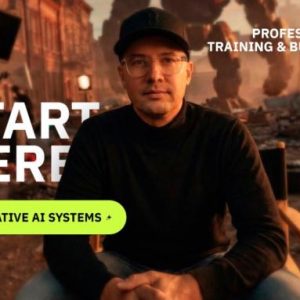
Abdurahman Abukar – CoderCo DevOps Academy Review & Complete Overview
The demand for DevOps professionals continues to rise as companies worldwide focus on automation, scalability, cloud computing, and faster software delivery. One of the most talked-about training programs in the DevOps education space is Abdurahman Abukar – CoderCo DevOps Academy. This comprehensive academy is designed for beginners, aspiring cloud engineers, IT professionals, software developers, and anyone looking to build a successful career in DevOps engineering.
DevOps has become one of the highest-paying technology career paths, and learning from an industry-focused academy can dramatically improve your technical skills and career opportunities. This program focuses on practical implementation, real-world projects, cloud technologies, infrastructure automation, CI/CD pipelines, containerization, and deployment strategies that modern companies use every day.
Whether you are transitioning from IT support, software development, system administration, or even starting from scratch, this academy provides a structured learning path to help students become confident DevOps engineers.
What Is DevOps?
DevOps is a combination of development and operations practices that improves collaboration between software developers and IT teams. The primary goal of DevOps is to automate workflows, improve deployment speed, enhance reliability, and reduce software delivery failures.
Modern organizations use DevOps methodologies to:
- Automate deployments
- Improve software quality
- Scale infrastructure efficiently
- Reduce downtime
- Increase development speed
- Enhance monitoring and security
- Streamline collaboration
Companies are actively hiring professionals skilled in cloud computing, Kubernetes, Docker, Terraform, Jenkins, AWS, Linux, GitHub Actions, and CI/CD systems. This is why training programs like this academy are becoming increasingly popular among tech professionals worldwide.
Why Abdurahman Abukar – CoderCo DevOps Academy Stands Out
There are many DevOps courses available online, but very few provide a complete roadmap with hands-on implementation. This academy stands out because it focuses heavily on practical learning instead of just theory.
Students can expect to work with real infrastructure tools and cloud environments that are used in professional DevOps workflows. The academy is structured to help learners build confidence while understanding how modern deployment pipelines function in real-world environments.
Some key highlights include:
- Beginner-friendly structure
- Practical hands-on projects
- Cloud infrastructure training
- Automation workflows
- CI/CD implementation
- Docker and Kubernetes deployment
- Infrastructure as Code
- Linux administration
- Git and version control
- Monitoring and scalability concepts
The curriculum is designed to help students move from basic understanding to advanced DevOps implementation step by step.
Core Topics Covered Inside the Academy
Linux Fundamentals
Linux is the backbone of DevOps engineering. Most cloud servers and deployment systems run on Linux-based environments. The academy teaches students how to work with Linux commands, permissions, server management, shell scripting, and process monitoring.
Important Linux concepts include:
- File system navigation
- Bash scripting
- User management
- Package installation
- Process handling
- Networking basics
- SSH configuration
- Server administration
These skills are essential for every DevOps engineer.
Cloud Computing and AWS
Cloud computing plays a critical role in modern infrastructure deployment. The academy introduces students to cloud concepts while focusing on AWS services widely used in the industry.
Students learn how to:
- Launch cloud servers
- Configure networking
- Manage storage systems
- Deploy scalable applications
- Handle permissions and IAM
- Configure cloud infrastructure
- Monitor cloud environments
AWS knowledge significantly improves employability in the DevOps industry because many companies rely on Amazon Web Services for application hosting and infrastructure management.
Docker Containerization
Docker has revolutionized software deployment by making applications portable and consistent across environments. The academy teaches students how containers work and how to create isolated environments for applications.
Topics may include:
- Docker installation
- Container management
- Docker images
- Docker Compose
- Application packaging
- Container networking
- Volume management
- Deployment workflows
Docker skills are considered essential for modern DevOps engineers.
Kubernetes Orchestration
Kubernetes is one of the most important container orchestration platforms used by large organizations. It helps automate deployment, scaling, and management of containerized applications.
Inside the academy, students may learn:
- Kubernetes architecture
- Pods and deployments
- Services and ingress
- Scaling applications
- Cluster management
- Configuration management
- Monitoring containers
- Production deployment strategies
Kubernetes knowledge gives professionals a competitive advantage in the cloud and DevOps industry.
Infrastructure as Code with Terraform
Infrastructure as Code allows engineers to automate server provisioning and cloud deployment using code instead of manual configuration.
Terraform training helps students understand:
- Infrastructure automation
- Cloud provisioning
- Reusable templates
- State management
- Multi-environment deployments
- Resource configuration
Automation is one of the most valuable DevOps skills, and Terraform is widely used in enterprise environments.
Continuous Integration and Continuous Deployment (CI/CD)
CI/CD pipelines help organizations automate testing and software deployment processes. This reduces manual errors and accelerates release cycles.
The academy teaches important CI/CD concepts such as:
- Jenkins pipelines
- GitHub Actions
- Automated testing
- Build automation
- Deployment automation
- Version control workflows
- Release management
CI/CD knowledge is crucial for building scalable and efficient software delivery systems.
Git and Version Control
Git is the foundation of collaborative software development. Students learn how version control systems help teams track changes, manage code, and collaborate effectively.
Topics often include:
- Git repositories
- Branching strategies
- Pull requests
- Merge conflicts
- GitHub workflows
- Collaboration practices
Every DevOps engineer must understand Git deeply because it integrates with nearly every automation workflow.
Real-World DevOps Projects
One of the strongest advantages of this academy is project-based learning. Instead of focusing entirely on theory, students get opportunities to build practical infrastructure and deployment pipelines.
Projects may include:
- Deploying applications to AWS
- Building CI/CD pipelines
- Creating Kubernetes clusters
- Dockerizing applications
- Automating infrastructure
- Monitoring production systems
Hands-on experience helps students build confidence and create strong portfolios for job applications.
Who Should Join This Academy?
This program is suitable for:
- Beginners entering tech
- IT support professionals
- Software developers
- System administrators
- Cloud engineers
- Freelancers
- Students interested in cloud computing
- Professionals switching careers
Even users without advanced coding experience can benefit because the curriculum often starts from foundational concepts before moving into advanced implementation.
Career Opportunities After Learning DevOps
DevOps is one of the fastest-growing career fields in technology. Companies need professionals who can automate deployments, manage infrastructure, and maintain cloud environments efficiently.
After completing DevOps training, career opportunities may include:
- DevOps Engineer
- Cloud Engineer
- Site Reliability Engineer
- Infrastructure Engineer
- Platform Engineer
- Release Engineer
- Automation Engineer
- Kubernetes Administrator
- Cloud Solutions Architect
Many DevOps roles offer excellent salaries because the demand for skilled professionals continues to increase globally.
Benefits of Learning DevOps in 2026
The technology industry is moving rapidly toward cloud-native infrastructure and automation. Businesses want faster software delivery with better scalability and reliability.
Learning DevOps provides several major benefits:
High Salary Potential
DevOps professionals are among the highest-paid IT specialists globally.
Remote Work Opportunities
Many DevOps positions allow fully remote work environments.
Strong Industry Demand
Cloud and automation expertise remain in high demand.
Career Growth
DevOps skills can lead to advanced cloud architecture and engineering roles.
Freelancing Opportunities
Businesses constantly seek infrastructure automation specialists for projects.
Practical Learning Experience
A major advantage of this academy is the focus on practical implementation instead of passive learning. Students can gain direct exposure to tools used in real production environments.
Practical training improves:
- Technical confidence
- Problem-solving ability
- Deployment knowledge
- Cloud infrastructure understanding
- Automation workflows
- Production troubleshooting skills
Employers often value practical project experience more than theoretical knowledge alone.
Why DevOps Skills Matter Today
Modern software companies deploy updates frequently and require scalable infrastructure systems. Manual deployment processes are no longer efficient for growing businesses.
DevOps solves these challenges through:
- Automation
- Infrastructure management
- Cloud scalability
- Monitoring systems
- Faster deployments
- Improved reliability
This makes DevOps one of the most valuable technology skill sets in today’s digital economy.
Final Thoughts
Abdurahman Abukar – CoderCo DevOps Academy offers a structured pathway for anyone interested in mastering DevOps, cloud infrastructure, automation, and deployment technologies. With strong emphasis on practical learning, modern tools, real-world projects, and cloud-native workflows, the academy provides valuable knowledge that aligns with current industry demands.
For aspiring DevOps engineers, cloud professionals, and IT specialists, learning automation, CI/CD, Docker, Kubernetes, Terraform, AWS, and Linux can unlock significant career opportunities. As businesses continue adopting cloud-first strategies, DevOps expertise will remain one of the most sought-after skills in the global technology market.
Students looking to build a future-proof career in cloud computing and infrastructure automation may find this academy an excellent starting point for professional growth and technical advancement.